Signs of a Bed Bug Infestation (And What Gets Mistaken for One)
Most people don't see a bed bug first — they notice bites, or a stain on the sheets, and start looking from there. Knowing exactly what to check for (and what commonly gets mistaken for it) saves time and money before you ever call an exterminator.
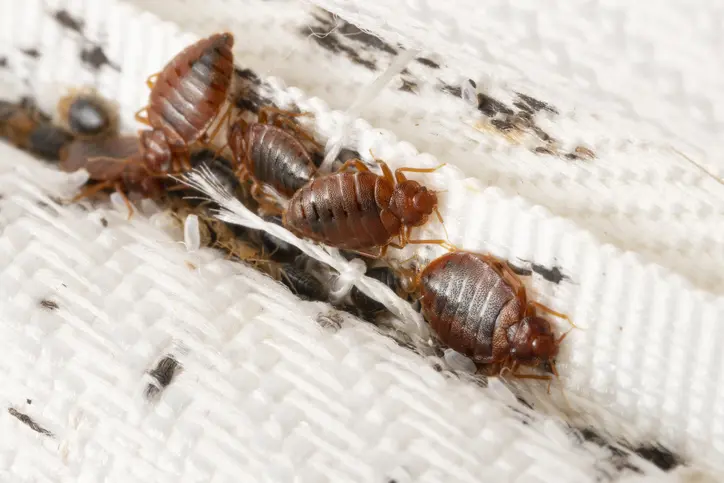
The physical signs to check
- Bite patterns: Often in a line or small cluster on skin exposed while sleeping — arms, shoulders, neck, legs. Not everyone reacts to bites, so their absence doesn't rule out an infestation.
- Rust-colored or dark spotting: Small dark or reddish-brown spots on mattress seams, sheets, or box springs — this is fecal matter, not blood, and is one of the more reliable visual signs.
- Shed skins: Bed bugs molt several times as they mature, leaving behind pale, empty exoskeletons near harborage points.
- Live insects: Adults are roughly apple-seed sized, reddish-brown, and oval; nymphs are smaller and lighter in color. Check mattress seams, bed frame joints, and headboard attachment points, especially at night.
- A sweet, musty odor: Heavy infestations sometimes produce a distinct smell some people describe as sweet or musty, caused by the insects' scent glands — though this usually only shows up once an infestation is already well established.
Where to actually look
Bed bugs cluster near where people sleep or sit for long periods: mattress seams and tags, box spring frames, headboards, bed frame joints, couch seams and cushion piping, and baseboards or outlet covers near beds and sofas. In heavier infestations, they spread further — into dresser drawers, behind wall art, and along carpet edges.
What commonly gets mistaken for bed bugs
A few household insects are frequently confused with bed bugs, which is exactly why a professional inspection is worth getting before paying for any treatment:
| Look-alike | Key difference |
|---|---|
| Carpet beetles | Rounder body shape, often with mottled coloring; larvae have visible bristly hair bed bugs don't have. |
| Bat bugs | Nearly identical to bed bugs visually; usually associated with a bat roost in the attic or eaves rather than bedding. |
| Spider bites / other insect bites | Different bite pattern and timing; without fecal spotting or shed skins nearby, bites alone aren't a reliable diagnosis. |
| Skin reactions or dust mite sensitivity | Can cause similar-looking welts with no insect evidence anywhere in the home. |
Not sure what you're looking at? A professional inspection identifies the insect before any treatment is recommended — see our bed bug inspection service.
What to do if you find signs
Avoid moving items between rooms once you suspect an infestation — that's one of the most common ways bed bugs spread from a bedroom to the rest of a house. Bag any items you must move, and call for an inspection before deep-cleaning or throwing anything away; a professional can often confirm scope faster than a full room teardown.
Think you need professional treatment?
Call 216-490-0769 for a same-day inspection across Cleveland and Cuyahoga County.